
Flying Alone With an Infant: Everything I Did Right—and What I Would Never Do Again
Flying alone with a baby sounds intimidating because, honestly, it is.
I recently flew alone with my two-month-old son, Gunner, on a quick one-hour flight. Even though we were not in the air very long, I learned that the actual flight is only one small part of the experience. You also have to manage airport security, breast milk, feeding, diaper changes, luggage, boarding, and getting everything back together when the plane lands—all while holding a baby.
If you are preparing to fly alone with a newborn or young baby, here is everything I recommend doing, what I packed, and what I wish I had done differently.
This article describes my experience on a domestic U.S. flight. Always confirm current rules with TSA and your airline before traveling.
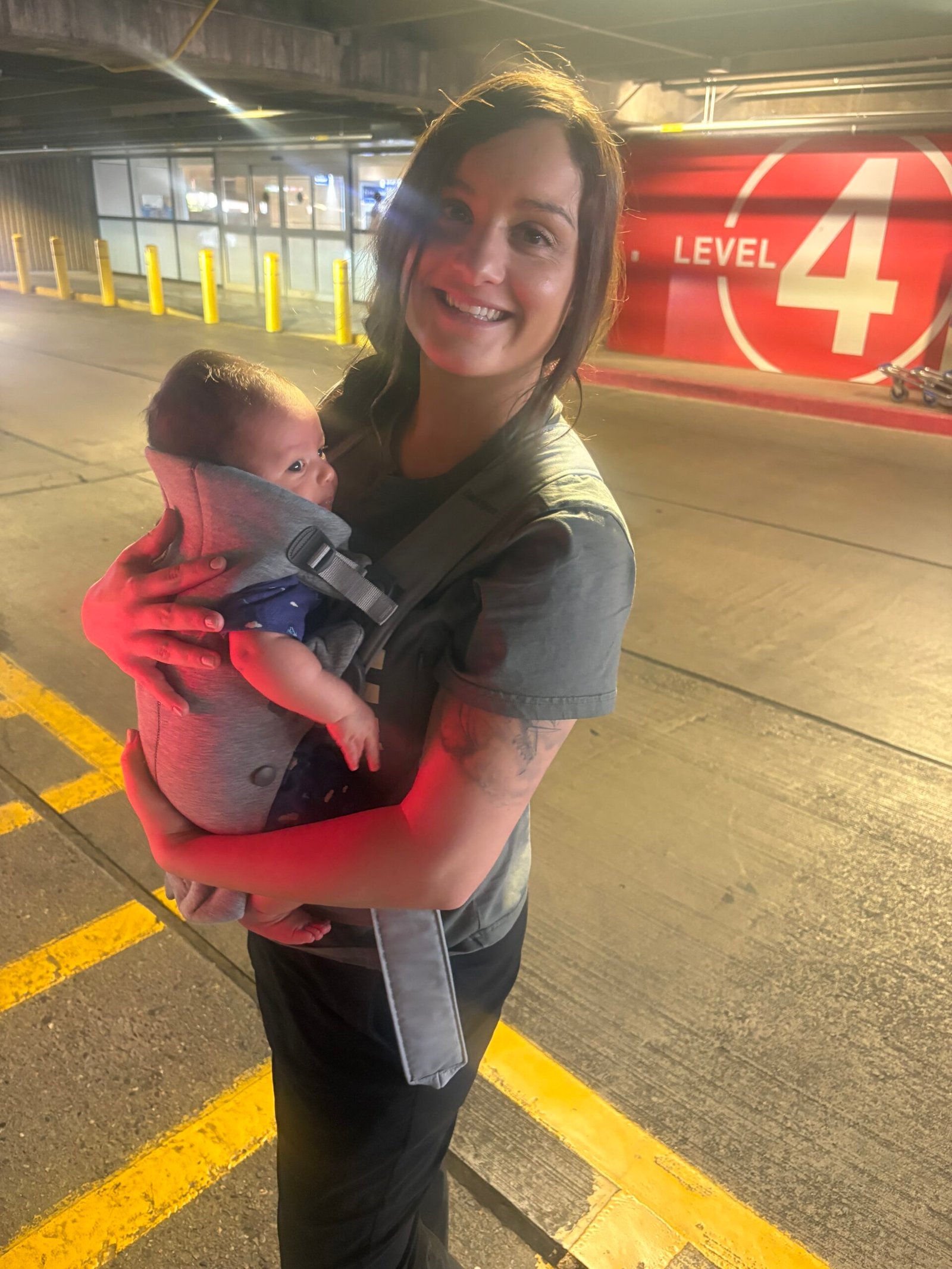
My Biggest Mistake: Booking a Bedtime Flight
Flying alone with a baby can feel like preparing for an expedition. These 16 battle-tested tips make terminal navigation, security, boarding, and long hours in the air perfectly manageable on your own.
01. Use a Baby Carrier Through the Airport
A front baby carrier was one of the most helpful things I brought. It kept Gunner close to me while leaving my hands available for my phone, ID, milk bag, and other belongings.
During my security screening, I was allowed to keep him in the carrier while walking through the metal detector instead of the full-body scanner. However, screening procedures can vary, so follow the TSA officer’s instructions and be prepared for additional screening.
I also carried bags that could stay on my shoulders instead of anything I had to hold in my hands. When you are traveling alone, having both hands available makes an enormous difference.
Safety Note: Carrier Security Protocol
02. Keep Breast Milk in a Separate Bag
Keeping my breast milk in its own bag made security much easier. As soon as I reached the TSA officer, I let them know that I was traveling with breast milk.
Breast milk is considered a medically necessary liquid and is allowed in quantities greater than 3.4 ounces. Your baby does not have to be traveling with you for you to bring breast milk through security. Cooling accessories, including ice and freezer packs, are also permitted, although they may need additional screening.
I recommend freezing your ice packs completely before leaving home when possible. Keeping the milk separate also means TSA can inspect that bag without digging through all your other belongings.
My breast pump was treated as a medical device by Frontier. Frontier states that breast pumps are medical devices, and bags containing only medical devices and their supplies are exempt from baggage fees. Other airlines may have different definitions and packing requirements, so check your airline before assuming an entire milk or pumping bag will be free.
What TSA Allows
03. Choose Your Flight Time Carefully
The biggest mistake I made was booking our departing flight around 8:30 p.m.—right at Gunner’s bedtime.
I thought a late flight might mean he would sleep. Instead, he missed his normal bedtime routine, became overtired, and screamed for much of the flight.
I will not book a bedtime flight with a young baby again unless I have absolutely no other option.
Our return flight was in the early afternoon, and the experience was completely different. He was calmer, I was less stressed, and we were not disrupting his normal morning or bedtime routine.
For a newborn or young infant, I would choose a midday or early-afternoon flight whenever possible.
04. Arrive at Least One Hour Before Boarding
Notice that I said one hour before boarding, not one hour before departure.
Traveling with a baby makes every step take longer. You may need extra time to have your milk inspected, nurse your baby, change a diaper, find your gate, or calm your baby before getting into the carrier.
Whenever possible, I recommend having the person dropping you off park instead of leaving you at the curb. This gives you time to:
- Nurse or feed your baby
- Change their diaper
- Let them stretch
- Organize your bags
- Place them in the carrier without feeling rushed
Starting security with a fed, dry, and happy baby is worth paying a few dollars for airport parking.
05. Let Your Baby Stretch Before Boarding
A young baby will spend most of the flight lying against you, so give them as much movement time as possible beforehand.
I brought a portable diaper-changing mat and placed a small blanket over it to make it more comfortable. Inside the nursing room, I could lay Gunner down, let him kick, and give him a break from the carrier.
I also changed his diaper immediately before boarding. Even if he did not desperately need it, starting the flight with a fresh diaper reduced the chance that I would have to attempt an airplane bathroom diaper change during our short flight.
06. Download the Mamava App Before Your Trip
If you are breastfeeding or pumping, download the Mamava app before arriving at the airport.
The app helps you locate nearby lactation spaces and shows which one is closest to your terminal. Some Mamava pods require the app or a code to enter, so it is much easier to have everything downloaded and ready in advance. The app can also show pod availability and provide access codes for certain locations.
The nursing space gave me somewhere private to feed Gunner and let him stretch before the flight. If I had enough time and he was calm, I also grabbed an easy snack, coffee, and water before going inside. It was a good opportunity for me to eat while he rested.
One important reminder: a private nursing room may include a changing area, but a Mamava pod is intended for nursing and pumping—not diaper changes. Use the airport restroom’s changing table unless the lactation space specifically says otherwise.
Tips 07 - 16: On the Plane
07. Pre-board and Set Up Your Seat
On my flight, I was able to preboard with my infant, and I recommend taking advantage of family preboarding when your airline offers it.
Some parents prefer boarding last so their children spend less time sitting on the plane. With a two-month-old who was not walking or trying to explore, boarding first worked better for me.
It gave me time to:
- Put my bags underneath the seat
- Take out my burp cloth
- Place a diaper and wipes within reach
- Get comfortable in my nursing shirt
- Secure the pacifier clip
- Settle Gunner before the other passengers boarded
Family preboarding policies vary, so listen to the gate announcements or ask the gate agent when you arrive.
08. Keep Only the Essentials Within Reach
Less is more when you are flying alone with a baby.
Do not overfill the bag that goes underneath your seat. Once your baby is on your lap, it is extremely difficult to search through a tightly packed diaper bag.
For a short flight, I kept these items easy to reach:
- One diaper
- Travel-size wipes
- Portable changing mat
- Burp cloth
- Pacifier with a clip
- Nursing cover
- Water for me
- One spare outfit for Gunner
- One spare shirt for me
- A plastic bag for wet or dirty clothing
For a longer flight, I would keep at least two diapers accessible and pack additional diapers elsewhere in the bag.
I also clipped Gunner’s pacifier directly to his onesie. I specifically chose a onesie with a small pocket or secure area where the clip could stay attached. That prevented the pacifier from repeatedly falling onto the airport or airplane floor.
09. Wear a Nursing-Friendly Shirt
Buying a nursing shirt for the flight was completely worth it.
When your baby is hungry and you are sitting in a cramped airplane seat, you do not want to rearrange several layers of clothing. My nursing shirt allowed me to feed Gunner quickly without exposing more than I was comfortable with.
I also recommend choosing a nursing bra that you can open and close with one hand. Try the complete outfit at home while holding your baby before wearing it to the airport.
10. Dress the Baby in Light Layers
Airplane temperatures are unpredictable. Sometimes the cabin feels freezing, and other times it becomes surprisingly warm—especially with a baby pressed against your body.
I dressed Gunner in a short-sleeve onesie and brought a light covering. Instead of packing another small blanket that I would have to manage, I used my nursing cover when he needed additional warmth.
If you do this, make sure the material stays away from your baby’s face and that your baby does not become overheated. Babies are often warmer than expected when they are lying directly against you.
11. Choose a Window or Aisle Seat Based on Flight Length
For our short, one-hour flight, I preferred the window.
The window gave us a little more privacy while nursing, and I did not have to move every time someone walked through the aisle. After landing, I could also let other passengers leave first if Gunner was sleeping instead of rushing to stand up.
For a longer flight, I would choose the aisle. It makes it easier to reach the bathroom or, when the seat belt sign is off and the crew permits it, stand and walk with the baby.
You cannot sit in an exit row while traveling with a lap infant.
12. Feed During Takeoff and Landing
Babies cannot intentionally clear the pressure in their ears, so sucking during takeoff and landing may help.
My plan was to breastfeed Gunner during takeoff, but he did not want to nurse. Thankfully, he likes his pacifier, so I used that instead.
A bottle, breastfeeding, or pacifier can all encourage swallowing. Do not panic if your baby refuses to eat at the exact moment you planned. Have a backup available and follow your baby’s cues.
13. Understand the Rules for Baby Carriers Onboard
I left the back support of my carrier around me after removing Gunner. That made it much easier to place him back inside after landing without completely reinstalling the carrier in a crowded seat.
However, a soft baby carrier is not an approved airplane restraint. The FAA states that baby carriers cannot be used during taxi, takeoff, or landing. Airlines may also have their own rules about using one during the cruising portion of the flight.
The FAA says the safest option for a baby is a purchased seat with an approved child-restraint system rather than traveling as a lap infant, particularly because of unexpected turbulence.
If your baby is traveling on your lap, follow every instruction from the flight crew and do not treat a soft carrier as a substitute for an approved car seat.
14. Book a Bassinet in Advance
15. You Do Not Need an Entire Bag of Toys
At two months old, Gunner did not need toys during a one-hour flight.
For a slightly older baby, I would pack one quiet crinkle toy or a small indestructible book. I would avoid rattles or anything noisy enough to disturb nearby passengers.
You do not need to bring the entire toy box. Every extra item becomes something you have to pack, unpack, retrieve, and keep from falling onto the floor.
16. Stay Calm, Baby Feeds Off Your Energy
My baby screamed during our night flight, and being the person holding the crying baby was incredibly stressful.
If this happens to you, remember that you are not failing. You are not a bad mom, and your baby is not doing anything wrong. Babies cry. Most people understand that you are doing everything you can.
Feed them, offer the pacifier, burp them, check their diaper, change positions, and calmly comfort them. Then remind yourself that the flight will end.
You may feel as if everyone is staring at you, but the majority of passengers are either sympathetic or focused on their own trip.
What I Brought for Flying Alone With My Baby
Navigating airport security and long flights solo with an infant is a challenge, but these four absolute lifesavers kept me sane, organized, and moving quickly.
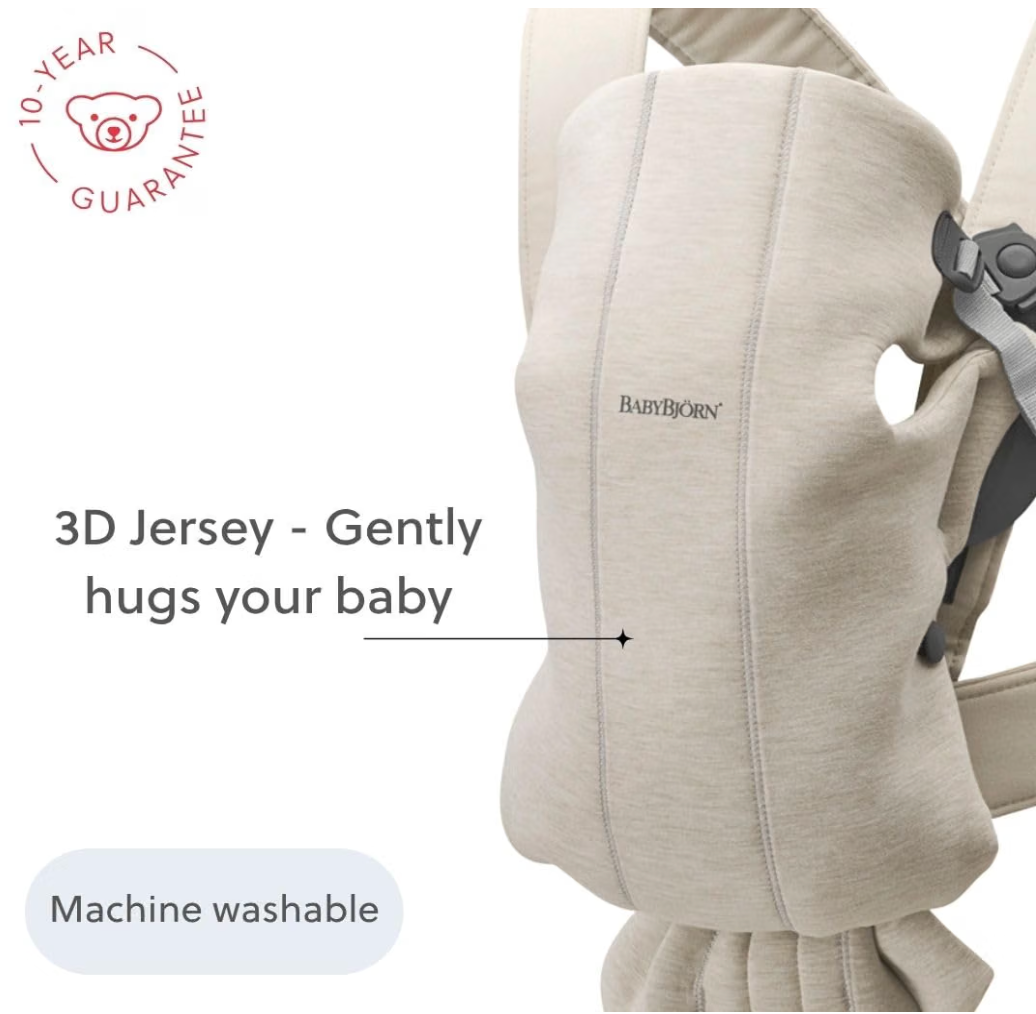
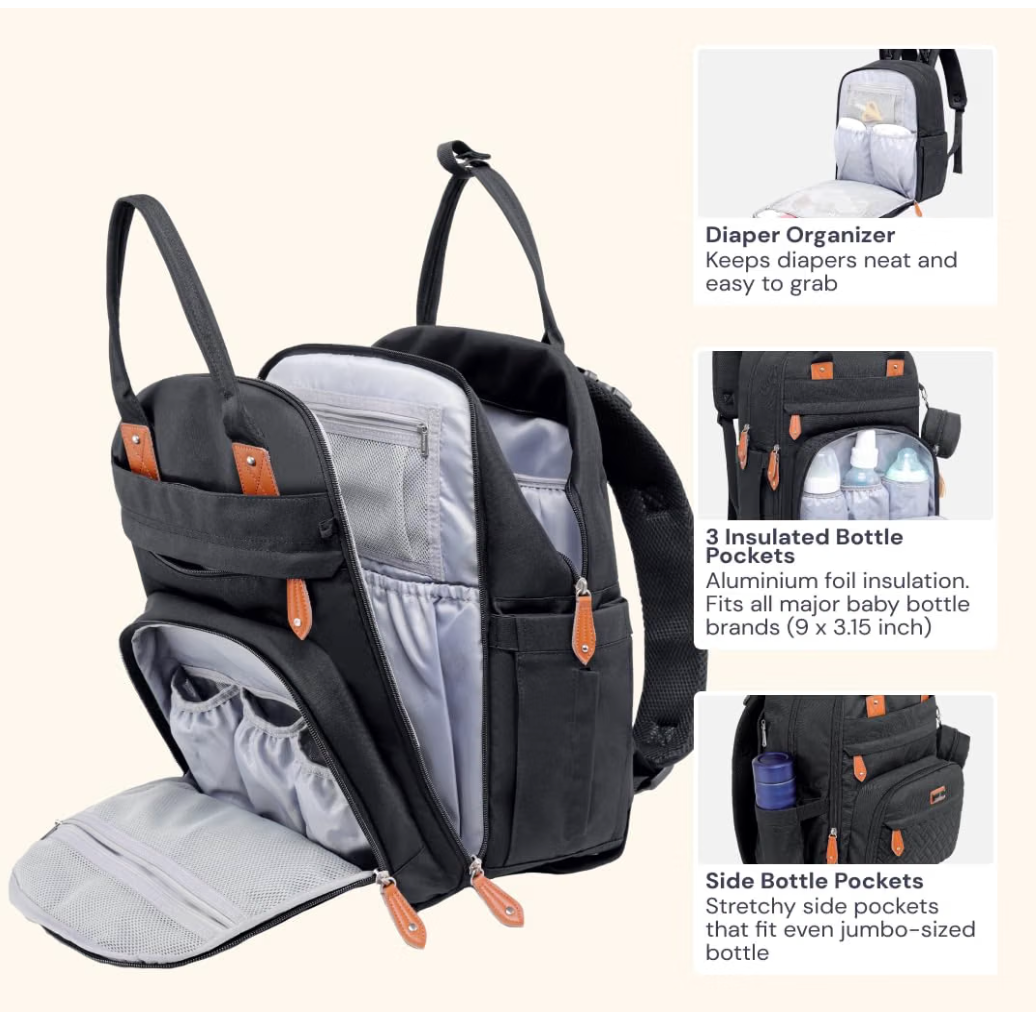
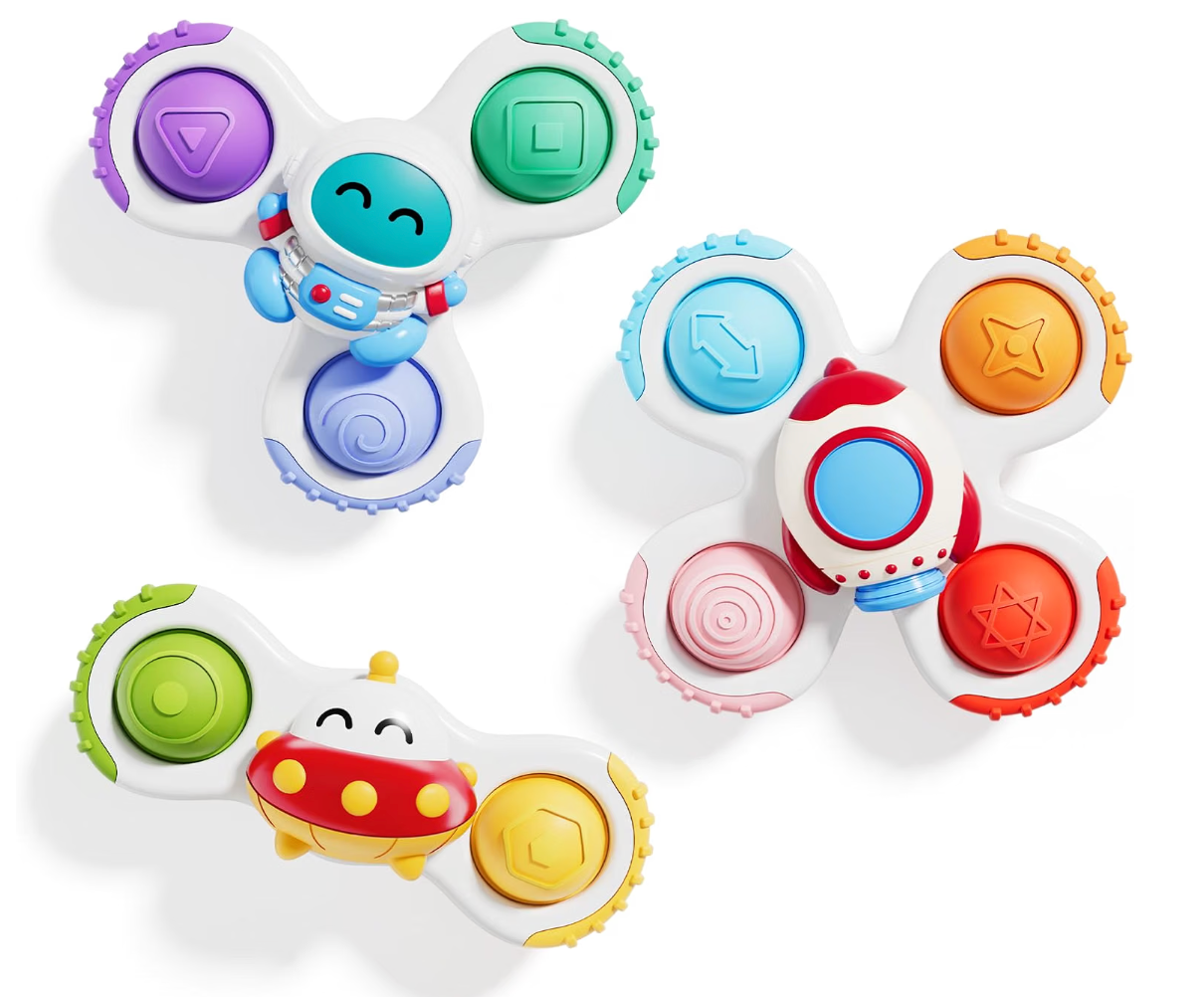
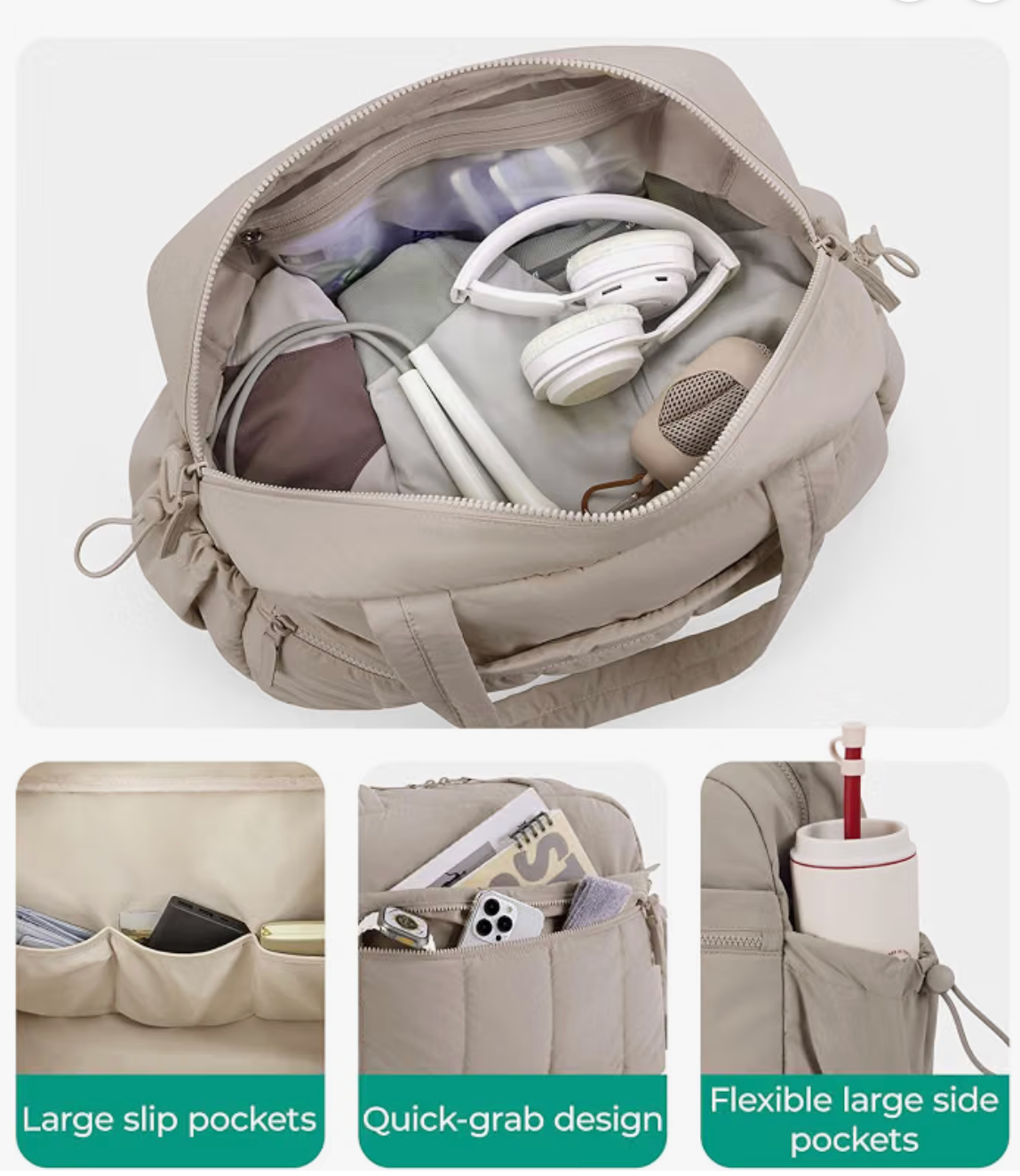
IN-FLIGHT ESSENTIALS
What I Kept Within Reach for a One-Hour Flight
- One diaper
- Travel-size wipes
- Portable changing mat
- Burp cloth
- Pacifier with clip
- Nursing cover
- Water for Mom
- Spare baby outfit
- Spare shirt for Mom
- Plastic bag for wet clothing
Planning a longer flight?
A crying baby does not mean you are failing. Babies cry. Most passengers understand that you are doing everything you can.
Flying with a Baby: FAQ
Can I bring more than 3.4oz of breast milk or formula?
Does my baby need to be traveling with me to bring milk?
No, your baby does not need to be with you to transport breast milk. TSA regulations allow parents to travel with breast milk, empty bottles, cooler bags, and pump equipment without the infant present.
Can I bring frozen gel ice packs through security?
Can I wear my baby in a carrier through security?
Am I allowed to use a baby carrier during the flight?
Is a window or an aisle seat better when flying with a baby?
Should I gate-check or check my stroller?
What are the essential under-seat diaper bag items?
What is the best time of day to schedule a flight?
How do I help with baby's ear pressure during takeoff and landing?
To prevent ear pain, encourage your baby to swallow during active takeoff and landing. You can nurse, offer a bottle of formula/water, or use a pacifier.
Planning Your First Flight With a Baby?
My Biggest Takeaways From Flying Alone With a Baby
- Avoid bedtime flights
- Arrive 1hr before boarding
- Wear baby through airport
- Pack milk separately
- Download Mamava app
- Nurse/change/stretch before boarding
- Keep under-seat bag light
- Wear feeding-friendly clothing
- Ask for/accept help
- Remember that a crying baby does not mean you are doing anything wrong.